


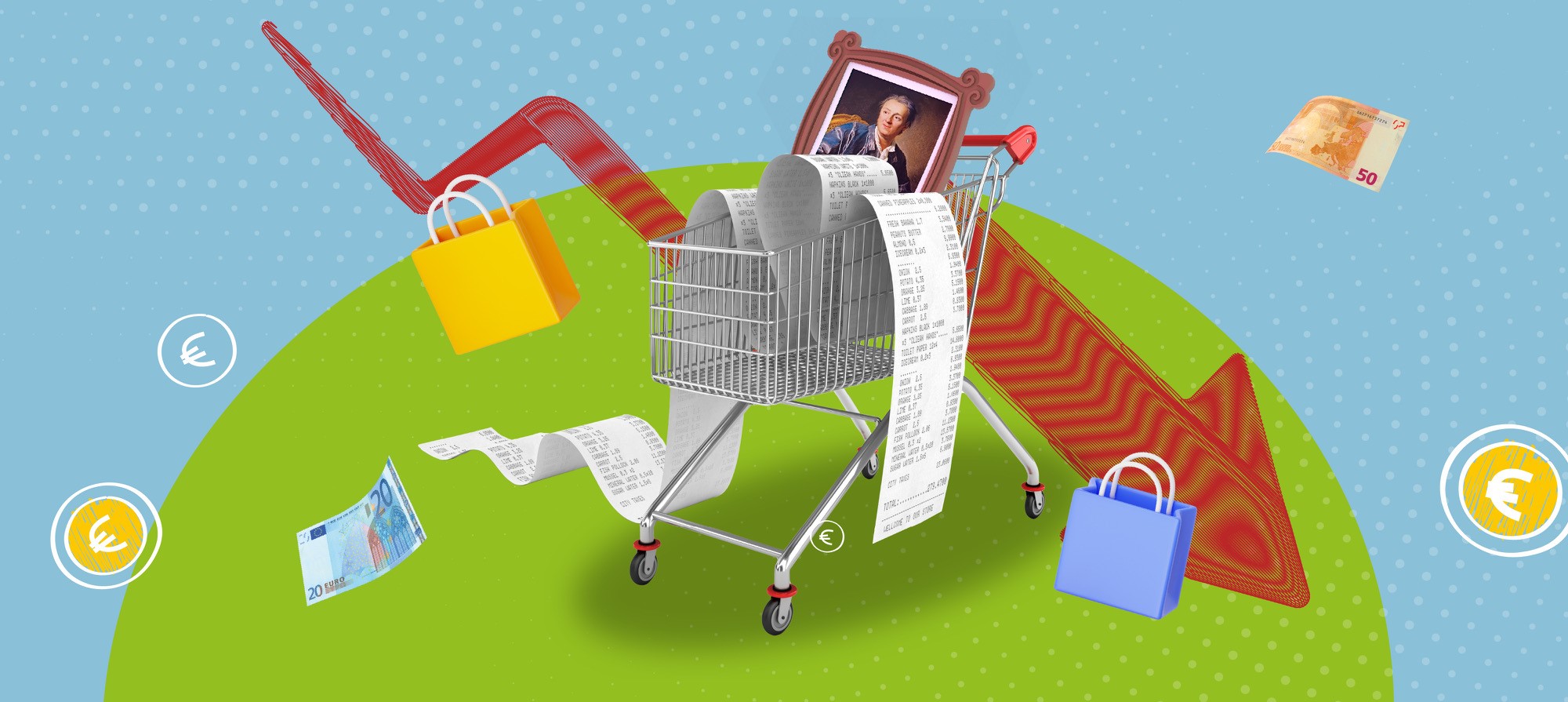
The Diderot effect describes a very common psychological behavior that occurs when, after purchasing a new item, we end up triggering a chain of impulsive purchases. The reason is simple: we want the new object to harmonize with what we already own. And so, we enter a spiral of consumption.
What is the Diderot effect. The phenomenon takes its name from the French philosopher Denis Diderot, who in 1769 wrote an essay entitled Regrets for my old dressing gown. In that piece, he tells how he received a luxurious robe as a gift. Beautiful, but completely out of place among his old belongings. The dissonance was so strong that he began replacing everything else: furniture, carpets, accessories. In the end, he realized that the robe, which should have made him happy, had instead made him a slave to new expenses. As he himself wrote: “I was the master of my old dressing gown, but I have become the slave of this new one.”
Why it happens: between psychology and consumerism
Diderot, guardando la sua vestaglia, sentì una forte dissonanza cognitiva: l’abito rifletteva l’immagine elegante che aveva di sé, ma il resto dei suoi beni apparteneva a un io ormai superato. Fu per ritrovare il suo equilibrio interno che decise di sostituire tutto.
The Diderot effect is based on several deep mechanisms:
- Desire for harmony: we seek coherence between the objects we own and the image we have of ourselves. “Mirror neurons” play a key role here: observing someone with a certain object can make us imagine embodying that same image by owning it, pushing us toward purchase.
- Self-expression: we use what we buy to tell the world who we are, or who we want to become.
- Marketing influence: companies are well aware of this mechanism and exploit it by offering coordinated collections, bundles, and “starter packs.”
- Self-esteem and dopamine: every purchase releases dopamine, creating an immediate sense of pleasure. However, this sensation quickly fades, leaving behind doubt and often regret, a cycle known as compulsive consumption.
Diderot, looking at his new robe, experienced strong cognitive dissonance: the garment reflected the elegant image he had of himself, but the rest of his belongings belonged to an outdated version of him. To restore his inner balance, he decided to replace everything.
How it works today
In the age of social media, the Diderot effect is more relevant than ever. Online trends make it incredibly easy to identify with a certain style and feel “obliged” to recreate it. Each purchase becomes the first step toward building a collection. The risk? Moving from a single object to an entire lifestyle that comes at a cost.
How to deal with it
Dealing with this phenomenon doesn’t mean you have to stop buying. It means becoming more self-aware. Here are a few useful tips:
- Recognize when it’s happening. Notice when you don’t truly need something but you are being drawn into a spiral of consumption just because something new entered your life.
- Pause and wait. Before buying something new, give yourself at least 24–48 hours to think. The impulse often fades, helping you see whether the purchase is really necessary or simply a trigger for more spending.
- Focus on utility, not matching aesthetics. Ask yourself: does this item really improve my life, or do I want it only because it makes what I already own look outdated? This reflection helps reduce the urge for “aesthetic consistency.”
- Estimate the full cost of future purchases. A store might offer you a great discount on a new dress, but if that dress makes you buy new shoes or a matching bag, the total cost becomes much higher than it seemed at first.
- Apply the “one in, one out” rule. If a new item comes in, an old one must go out. This forces you to consider whether the purchase is really worth it and helps limit clutter.
- Buy for usefulness, not for status. Stop trying to impress others with what you own and start inspiring them with who you are.
The Diderot effect is a subtle yet powerful trap. A new robe in 1769, a new trend today — the risk is the same: moving from the pleasure of a gift or purchase into a never-ending spiral of consumption, losing sight of your true identity.
It’s important to remember that our drive toward material wealth often prevents us from appreciating our deeper needs, such as family and social bonds, increasing the risk of isolation and undervaluing what life has to offer.
Being aware of these mechanisms means recognizing when we are the ones making choices and when it’s the objects and trends influencing us instead. True freedom lies in maintaining control and building a unique, personal identity.
Find more content dedicated to financial education and mindful money management on the Museum of Saving blog. Take part in our events, workshops and training programs designed to help young people, families and schools build solid foundations for their future.
1 October 2025